

Poultry farming is a highly intensive and commercial industry, where ensuring the health and productivity of birds is essential for both economic viability and animal welfare. One of the most significant advancements in poultry nutrition and health management has been the inclusion of antibiotics in animal feed supplements. Antibiotics are used in poultry feed to promote growth, improve feed efficiency, prevent disease, and treat infections. However, their use in animal husbandry, especially in poultry, has raised debates about their role in resistance development and sustainability.
In this article, we’ll explore the role of poultry antibiotics in animal feed supplements, their benefits, concerns, and alternatives.
1. Role of Poultry Antibiotics in Feed Supplements
Antibiotics are primarily used in poultry feed for two main purposes:
A. Growth Promotion
Antibiotics can enhance the growth rate of poultry birds by improving feed conversion efficiency (FCE). They do this by controlling subclinical infections (infections that don’t show visible symptoms but still reduce productivity) and improving gut health. A healthy gut microflora leads to better nutrient absorption, which results in faster growth.
- Common antibiotics for growth promotion: Tylosin, Chlortetracycline, and Lincomycin are often used to promote growth in poultry by reducing harmful gut bacteria and allowing beneficial bacteria to thrive.
B. Disease Prevention and Control
Poultry are highly susceptible to bacterial infections, especially in intensive farming systems where high stocking densities and stressful conditions are common. Antibiotics in feed can help prevent and control diseases, reducing the likelihood of infections that could impact flock health, egg production, and meat quality.
- Common diseases treated or prevented: Antibiotics help manage conditions such as Coccidiosis, Salmonella, E. coli infections, Mycoplasmosis, and Fowl Cholera. These diseases can have serious effects on bird health, leading to high mortality rates and significant economic losses in poultry operations.
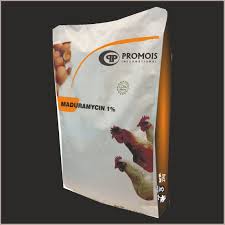
Benefits of Antibiotics in Poultry Feed
The use of antibiotics in poultry feed offers several key benefits:
A. Improved Growth and Feed Efficiency
By controlling harmful pathogens in the gastrointestinal tract, antibiotics promote better digestion and nutrient absorption. This leads to improved weight gain and feed conversion ratio (FCR), which is critical for commercial poultry production. Poultry farmers can achieve higher productivity without increasing feed intake.
B. Prevention of Disease Outbreaks
Antibiotics play a vital role in preventing the spread of infectious diseases in poultry flocks, particularly in crowded, high-density environments. Proactively administering antibiotics in feed can reduce the incidence of common poultry diseases, preventing outbreaks that could otherwise lead to substantial losses.
C. Reduced Mortality and Morbidity Rates
Poultry antibiotics can lower mortality and morbidity rates, particularly during stressful conditions such as transport, vaccination, or environmental changes. By keeping birds healthier and preventing subclinical infections, antibiotics help maintain high flock productivity and animal welfare.
D. Improved Meat and Egg Quality
Healthy birds are more likely to produce high-quality meat and eggs. Antibiotics help ensure that the poultry’s internal environment is free from disease-causing pathogens, which can impact meat quality, shell integrity, and egg production. Visit our website www.promoisinternational.com
Conclusion
Antibiotics in poultry feed supplements have been a cornerstone of modern poultry farming, helping to improve growth rates, prevent diseases, and maintain high productivity. However, due to the growing concerns surrounding antibiotic resistance, there is increasing pressure to reduce the use of antibiotics and explore safer alternatives. The poultry industry must find a balance between promoting animal health and meeting the growing demand for antibiotic-free products while maintaining sustainable and economically viable farming practices. The future of poultry farming lies in the development of innovative, effective, and responsible approaches to health management, including the use of non-antibiotic supplements and improved farming practices.
4o mini