

Introduction:
In modern animal farming, the quality of feed directly impacts the health, productivity, and overall well-being of livestock. One critical aspect of feed safety is the presence of toxins that can accumulate from contaminated feed ingredients, mycotoxins, and environmental pollutants. To combat this challenge, toxin binders are increasingly being used in animal feed to neutralize harmful substances and reduce their absorption into the animal’s system.
Toxin binders, also known as mycotoxin binders or adsorbents, play a crucial role in enhancing animal health, improving feed efficiency, and ensuring the safety of the food supply chain. These supplements are specifically formulated to capture and neutralize toxins present in animal feed, preventing the negative effects these substances might otherwise have on animal health and performance.
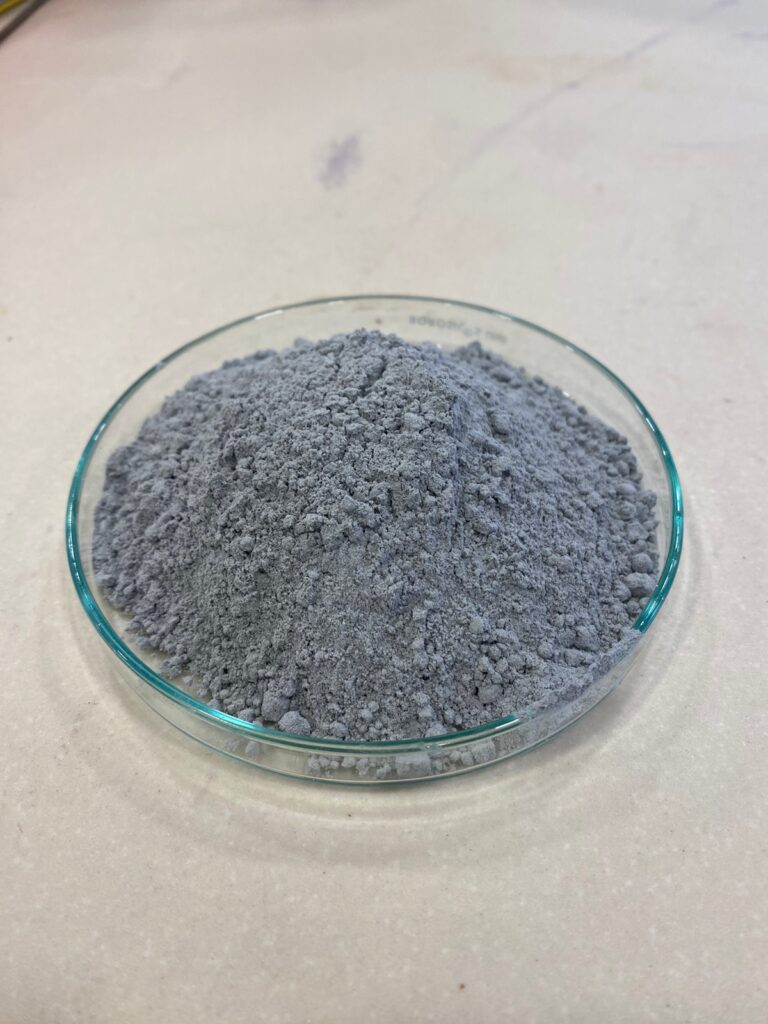
What Are Toxin Binders?
Toxin binders are feed additives that help mitigate the harmful effects of toxins present in feed. These toxins typically come from mold growth in crops or animal feedstuffs and can include mycotoxins (such as aflatoxins, ochratoxins, zearalenone, and fumonisins), heavy metals, and other chemical contaminants. Toxin binders work by physically binding to these harmful substances, rendering them inert or preventing their absorption in the animal’s gastrointestinal tract.
The key properties of effective toxin binders include:
- Adsorption: The ability to attract and bind toxins to their surface.
- Specificity: Selectively binding to harmful substances while allowing nutrients to pass through unaffected.
- Non-toxicity: Safe for animals at the recommended inclusion rates.
- Stability: Effective over a broad range of conditions, including varying temperatures and pH levels in the digestive tract.
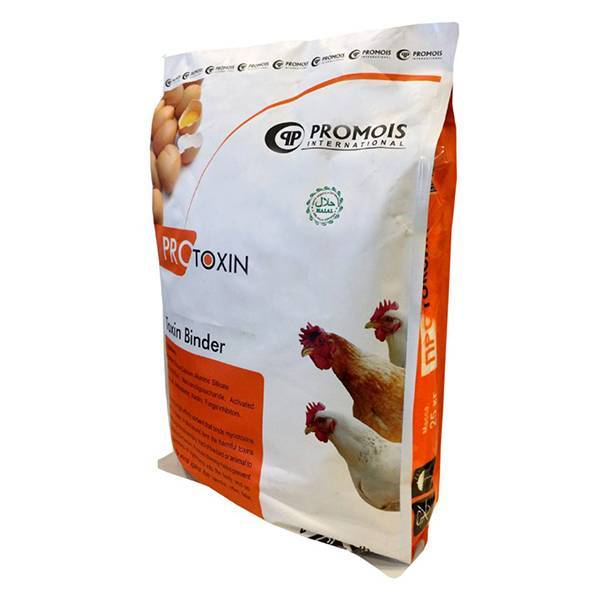
Types of Toxin Binders
There are various types of toxin binders used in animal feed, each with specific advantages depending on the toxins they target and the types of animals they are intended for. Some of the most common types include:
Clay-based Binders
- Bentonite: A naturally occurring clay mineral that can effectively adsorb mycotoxins such as aflatoxins and ochratoxins.
- Zeolite: Another naturally occurring mineral that is particularly effective at binding to heavy metals and ammonia, helping reduce the toxic effects of these substances in poultry and livestock.
Activated Charcoal
- Known for its high surface area, activated charcoal is capable of adsorbing a wide variety of mycotoxins, particularly aflatoxins, and is commonly used in both pet and livestock feed formulations.
Silica-based Products
- Silica gels or amorphous silica are used for their ability to bind with a range of toxic substances, preventing their absorption in the animal’s digestive system.
Organic Toxin Binders
- Certain natural products, such as yeast cell wall derivatives, are incorporated into feeds to bind mycotoxins and protect animal health. These products can be highly effective in controlling mold-related toxins.
Polymer-based Binders
- Synthetic polymers, such as polyvinylpyrrolidone (PVP), are engineered to selectively bind to specific mycotoxins, offering targeted detoxification.
Benefits of Toxin Binders
- Improved Animal Health
Toxin binders prevent harmful substances from entering the bloodstream, reducing the risk of liver and kidney damage, immune suppression, and reproductive issues in livestock. This results in healthier animals with fewer health complications. - Enhanced Productivity
By mitigating the negative effects of toxins, animals are better able to absorb nutrients from their feed, improving growth rates, egg production, milk yield, and overall feed conversion efficiency. - Reduced Risk of Contamination in the Food Chain
Mycotoxins can accumulate in animal products, including milk, meat, and eggs, leading to potential contamination in the human food supply. Toxin binders help reduce this risk by preventing toxin absorption and accumulation in the animal’s system. - Cost-effective Solution
The use of toxin binders in feed is an economically viable way to protect against the often unpredictable presence of contaminants. This can help prevent losses in animal performance and costly medical treatments associated with toxin exposure. - Increased Feed Safety
By incorporating toxin binders, farmers can ensure that feed is safer for consumption, promoting long-term sustainability and consumer confidence in animal products.
Applications of Toxin Binders
Toxin binders are widely used across various livestock and poultry sectors, including:
- Poultry: Broilers, layers, and turkeys benefit from toxin binders to avoid performance issues linked to mycotoxin exposure.
- Swine: Piglets and adult swine require effective protection from mycotoxins, which can affect growth and reproductive performance.
- Ruminants: Dairy cattle, beef cattle, and sheep can suffer from mycotoxin-induced immunosuppression and poor nutrient absorption, making toxin binders essential in their feed formulations.
- Aquaculture: Fish and other aquatic species are also susceptible to mycotoxins and environmental toxins, which can impact health and growth rates in aquaculture operations.
How to Use Toxin Binders in Animal Feed
Toxin binders are typically incorporated into animal feed at specific inclusion rates, depending on the type of animal, the kind of toxins present, and the severity of contamination. The dosage and application method vary based on the binder type and the form in which it is supplied (e.g., liquid, powder, or granules).
As a general guideline, it is recommended that toxin binders be introduced into the diet early to prevent toxin accumulation and reduce long-term health risks. It’s crucial to follow the manufacturer’s guidelines and consult a nutritionist or veterinarian for accurate dosage recommendations tailored to specific needs. Visit our website www.eabc.vet
Conclusion
Toxin binders are a valuable tool for protecting animal health and ensuring the safety and quality of animal products. They are essential in mitigating the risk of mycotoxins and other harmful substances in feed, ultimately contributing to improved animal performance, higher productivity, and safer food for consumers. With the growing awareness of mycotoxin contamination and its impact on animal health, toxin binders will continue to play a key role in the animal feed industry.
When selecting a toxin binder, it’s essential to choose products that are both effective and safe, with consideration of the specific needs of the animals being fed. This ensures that both farmers and consumers can benefit from safer, healthier, and more sustainable animal production.